The Improved Cooking Stove Project
The Improved Cooking Stove Project
Creating Healthier Homes
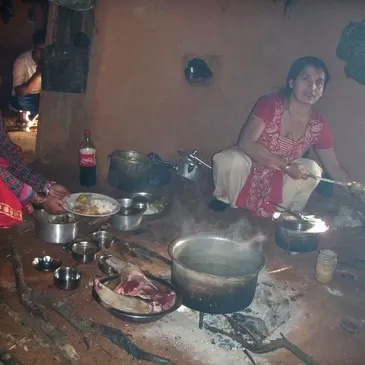
In many rural villages across Nepal, families traditionally cook over open fires inside their homes. Imagine a small campfire burning on the floor of a mud house, filling the room with smoke while meals are prepared. Women and young girls spend many hours each day cooking in these conditions.
Children often remain in the room while their mothers prepare food, and older children—especially girls—frequently help with cooking as well. Constant exposure to smoke from indoor fires can lead to serious health problems for the entire family.
Long-term smoke inhalation is linked to respiratory illness, eye and skin irritation, and increased risk of burns. For many families in rural Nepal, these health challenges are a daily reality.
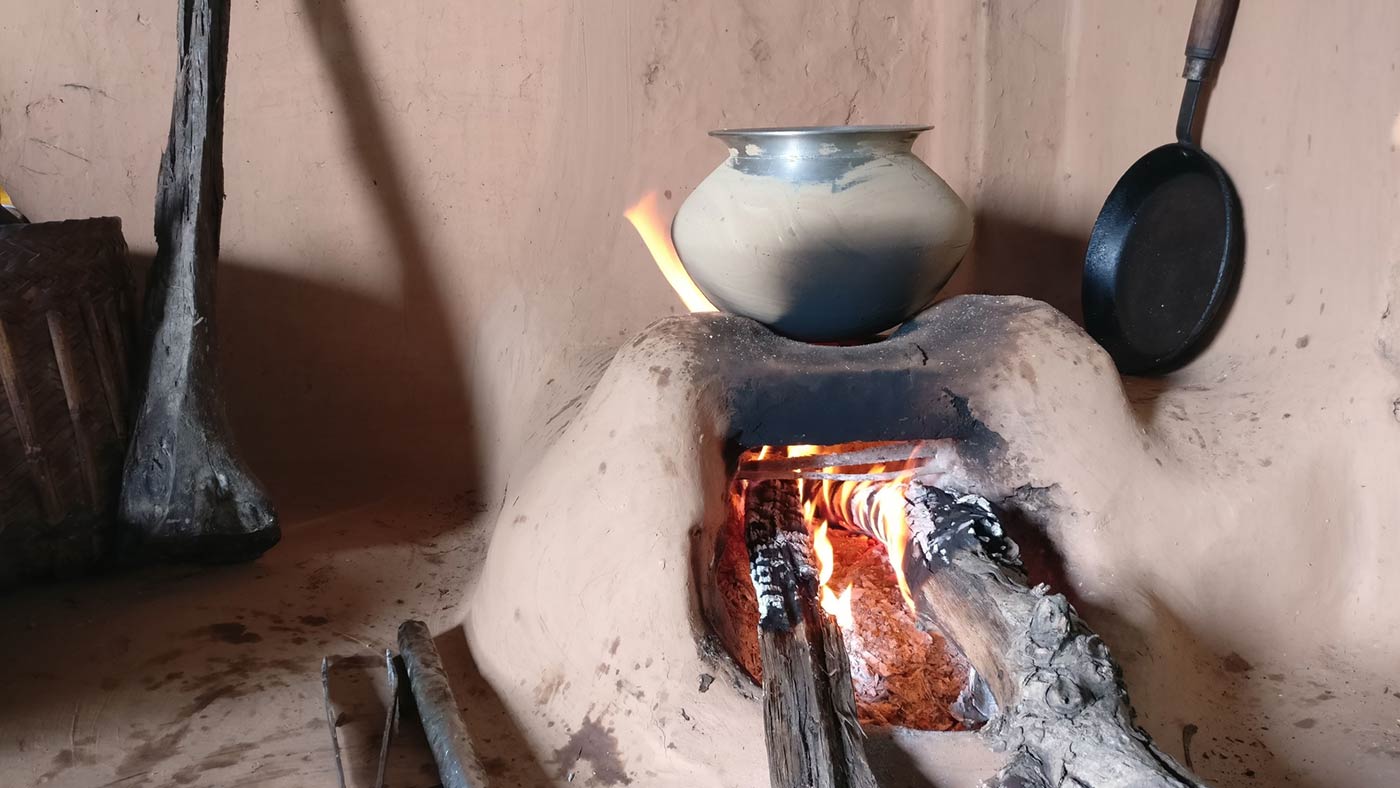
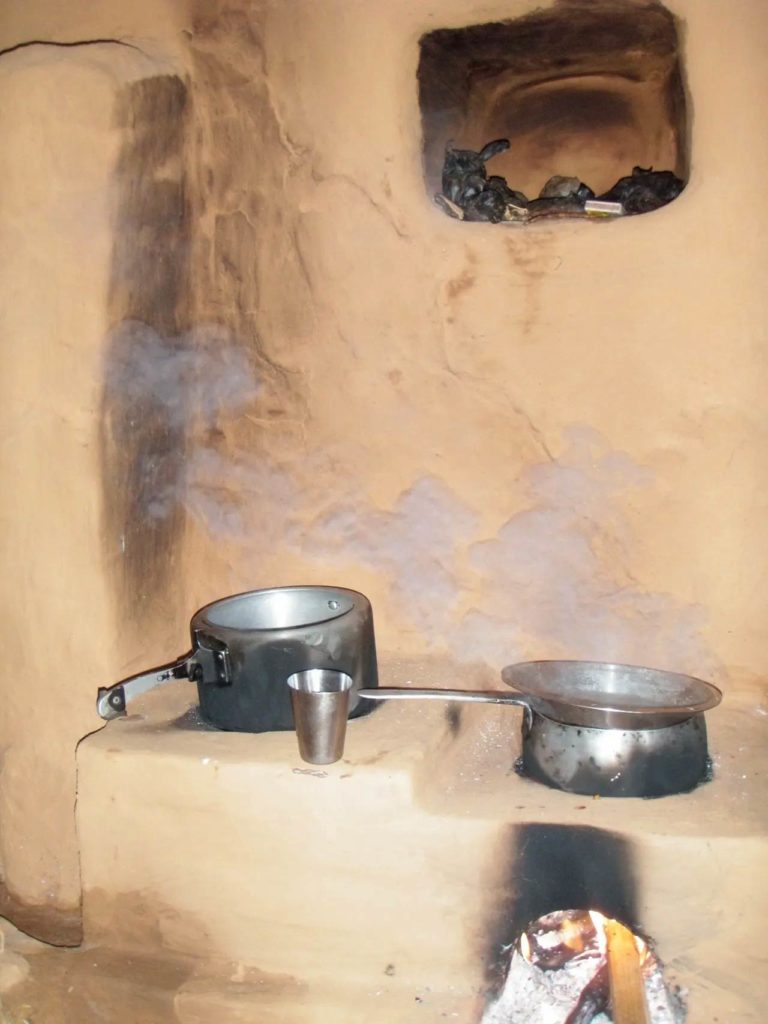
The Improved Cooking Stove Project was created to help address these concerns by building safer, more efficient stoves that direct smoke out of the home. These stoves reduce smoke exposure, improve indoor air quality, and create a healthier cooking environment for families.
In 2010, more than 57 improved cooking stoves were built in the village of Pumdi. An additional 40 stoves were later constructed in the remote village of Kitumsa, where Sapana Nepal Projects continues to support community initiatives.
Important Steps
Nicole’s Report on her Journey: Discovering the Improved Cooking Stoves
Back in April 2009, during the beginning of my trip, is when I first learned about the Improved Cooking Stoves. Various NGOs have built them throughout different villages in Nepal for quite some time now. We knew this project would decrease health risks immediately, and we got very excited about getting started right away. However, due to the logistics, it took a while to finally get the ball rolling, which now I understand, and I am glad it worked the way it did. It is extremely important to respect other’s cultures and to do that properly it became clear that my opinion about what may be right, may not always be right or at least the only way. So, this is where we had to be careful, we did not want to pressure anyone into changing the way they live because we believed it was “better for them”. We wanted the villagers to want the stoves because they believed and understood the reasons for having them, not because we told them they needed them.
I was explaining the situation (and my uncertainty) to a friend one day when she came up with this brilliant idea. We would have four stoves built, one in each caste (the village is segregated based on castes). We explained the immediate benefits of the stoves and provided the materials needed. In return, we requested the four households chosen to inform their neighbors, family and friends about the stoves. We would wait and see if they wanted to move forward in the dissemination process. Within days villagers were coming to see us requesting the Improved Cooking Stoves. They “sold” themselves, just as we had hoped.
We scheduled a village meeting to discuss our plans in detail and hoped to find a few women interested in building them. Later that month, our long-awaited goal was finally set in motion. We worked with a local NGO in another village that has built over 2,000 stoves and asked them to assist us with the project (they also built our first four stoves). They agreed to train the group selected from our village, meanwhile, enabled us to provide future jobs and trade for the two women and two men of Pumdi.
We also thought it would be good to charge each household a small amount for each stove built so that we weren’t just giving the stoves to them. People tend to have more respect and take better care of things when they’ve put something into it. Eighteen days later 57 stoves were built in Pumdi and the villagers were extremely happy with the outcome. The next year we built 40 more stoves in Kitumsa, a very remote village, where we also provide assistance.
The stoves are constructed out of locally collected mud, dung, wool and straw. The clay is then made into brick molds, which are plastered together to form the stove structure. Advantages of the newly designed stoves include a closed fire chamber containing both the heat and flames, allowing more efficient cooking, and a flue (chimney) that removes smoke from the home. The stoves are more energy-efficient and eco-friendly, as they require less fuel (wood) to run on. As family members participate in the construction of their new stove, they, too, are taking the initiative to further improve the overall well-being of their family and friends. This is an ongoing project for Sapana Nepal, as our goal is to continue to build these Improved Cooking Stoves throughout Nepal.
Stay In Touch!
Subscribe for our Newsletter
Stay connected to our work in Nepal. Subscribe to our twice-yearly newsletter for project updates, community stories, and the impact we are creating together.